‘Mamang’ and ‘Mambara’ among best reads of 2012

‘Mamang’ and ‘Noongar Mambara Bakitj’ feature in The Australian’s list of books of the year chosen by writers and critics.

GEORDIE WILLIAMSON - The Australian’s chief literary critic

‘In 1931 a group of indigenous people from the Albany region of Western Australia recounted their tales to an American linguist, Gerhardt Laves. Two of these stories have now been published by the University of Western Australia Publishing on behalf of the Wirlomin Noongar Language and Story Project, with the assistance of novelist Kim Scott. They are simply illustrated and simply told – in Noongar first, with an English translation and accompanying fictional expansion by Scott and Lomas Roberts – but they speak of an complex interrelationship between culture, narrative and place. Noongar Mambara Bakitj and Mamang are modest books that children can enjoy. They are also two of the most significant publications of the year.’  The Australian December 22, 2012

Southern Schools Tour wrap-up

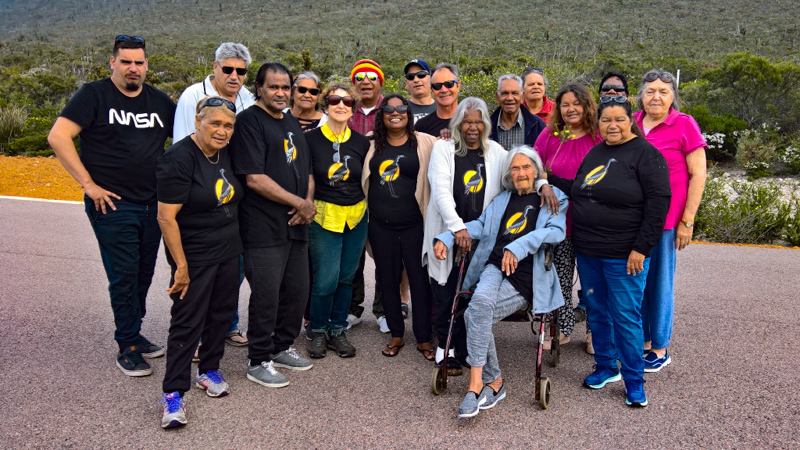
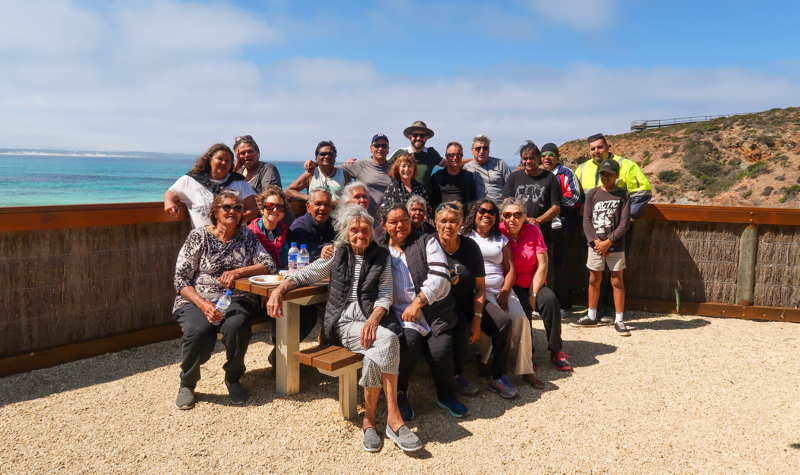
The Wirlomin Project toured schools in Tambellup, Kataning and Albany between the 7th and 12th of May 2012. Nine schools were visited in five days and one community meeting was held. A total of 954 children and 128 adults attended. The aims of the school tour were: to promote Noongar arts and culture through language, storytelling and dance; to promote, foster and encourage Indigenous authors and illustrators; to promote the Wirlomin books as literature/art; to provide opportunity for people to participate in cross-cultural shared activities between Indigenous and non-Indigenous people whilst learning about Indigenous culture; to broaden the audience and gauge the response of the communities, particularly school students, Noongar and non-Noongar, to our latest pre-publication stories, and; to provide opportunities for Wirlomin family members to develop as presenters.

Schools touring

The Wirlomin Project will undertake a week-long tour in May 2012 to schools in the Albany, Katanning and Tambellup regions to promote our stories, culture and language. The tour is also an opportunity to mentor younger members of our family to become leaders and presenters. Our tour is proudly sponsored by Healthway promoting the Respect Yourself Respect Your Culture message.

Latest workshop & public meeting

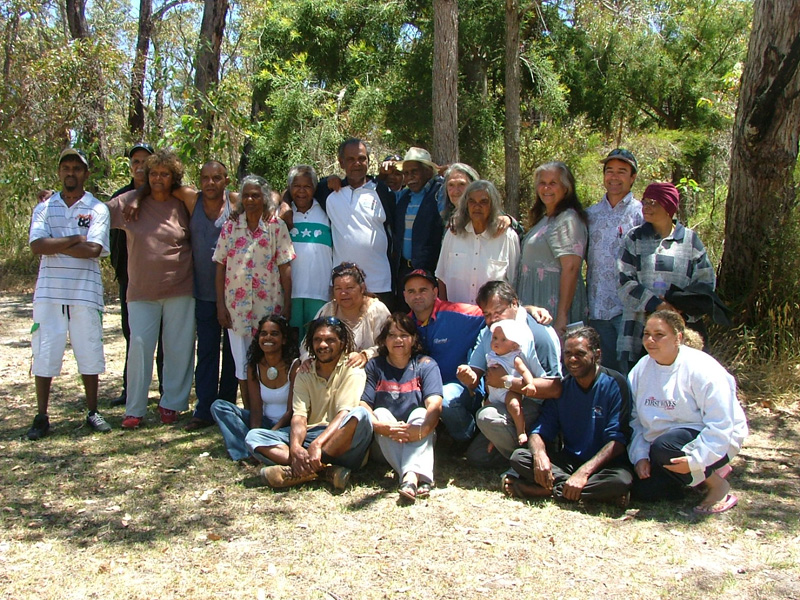
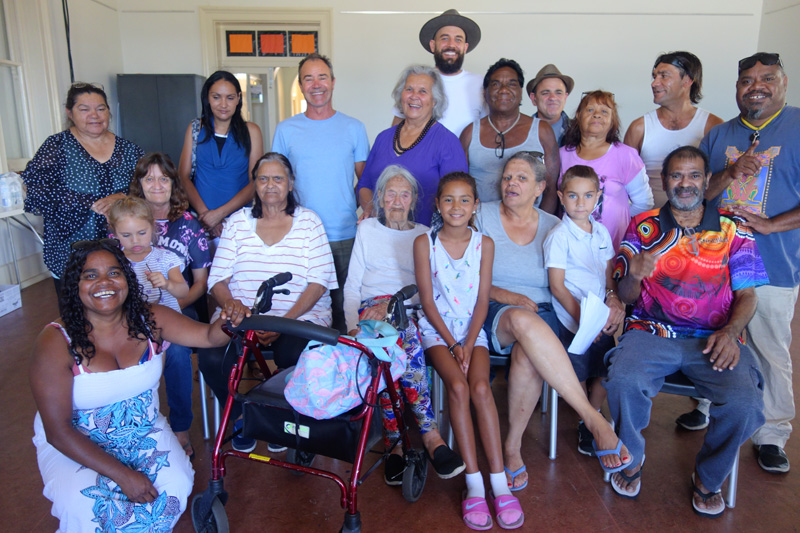
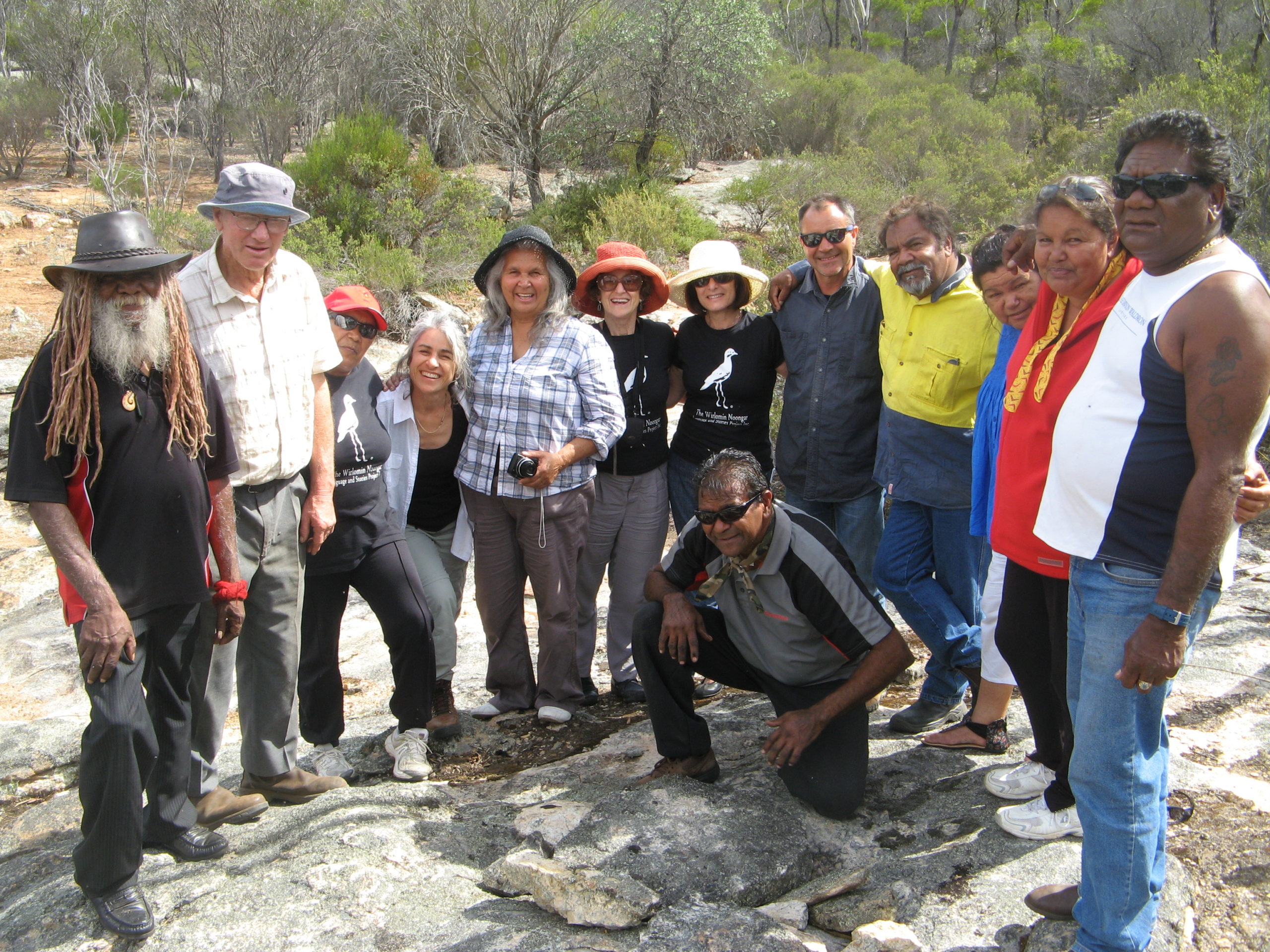
The Wirlomin Project held a workshop in Albany last month which was attended by 70 adults and children and featured an exhibition of the artwork produced in the illustration workshop. Around 60 sets of photocopies of the two book manuscripts and accompanying CDs (with the stories told in Noongar and English) were distributed to Noongar families. This session comprised of Kim Scott, Iris Woods and Ezzard Flowers discussing the workshop process to date, outlining how the Wirlomin stories and picture books came into being and a giving reading of one of the stories in Noongar and in English.

The second section of the two day workshop was attended by 40, including members of the Reference Group of Elders and selected family who discussed the latest stories in detail. The workshop enabled Elders and family to discuss pronunciation, semantics and cultural references. The rationale behind this workshop was consolidation of language and affirmation from the family we are on the right track with interpreting the story and language in the picture books. We also discussed the forthcoming schools tour.

Books launched

The Wirlomin Noongar Language and Stories Project launched our first books ‘Mamang‘ and ‘Noongar Mambara Bakitj‘ at the Albany Entertainment Center on Friday, September 16th. Iris Woods and Kim Scott spoke at the launch, which featured Lester Coyne as MC.

Slightly Addicted to Fiction has posted an article about the launch here.

Kim Scott spoke on ABC Radio Australia about the books here.

Stories online

Kaya,

Iris Woods, Roma Winmar/Yibiyung and Kim Scott have been recorded retelling the stories Mamang and Noongar Mambara Bakitj in both Noongar language and English. You can listen on the ‘books’ page.

Boorda!

Advice on content

We advise that this website contains names and photographs of deceased Aboriginal people. We do not wish to cause any distress to Aboriginal people who follow a specific cultural protocol regarding such names and images.